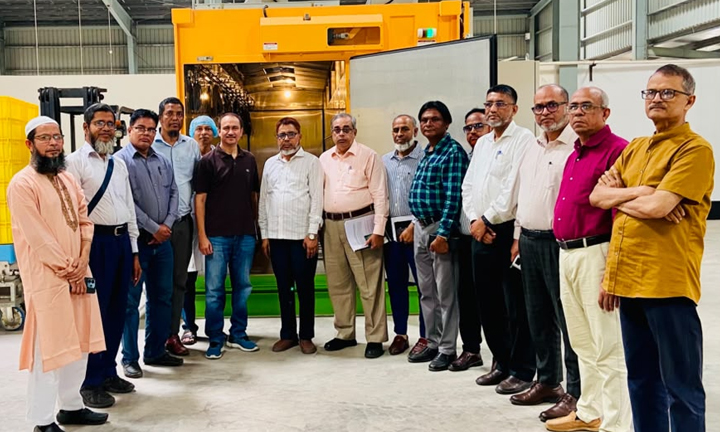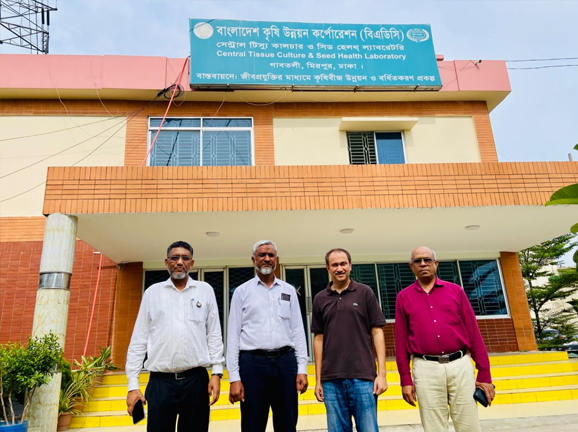
Dhaka, Bangladesh – The Chief Executive Officer of the International Tropical Fruits Network (TFNet), Mr. Muhamed Salim bin Mohd Ali, was invited to visit the Bangladesh Agricultural Development Corporation (BADC) under the Ministry of Agriculture on 28 July 2026. He was received by Dr. Md. Isbat, General Manager (Horticulture), and accompanied by Dr. Md. Akhtar Hossain Khan, Chief Seed Technologist, Ministry of Agriculture, Bangladesh.
The visit underscored Bangladesh’s growing commitment to strengthening its tropical fruit sector, particularly mango exports, through improved post-harvest technologies and enhanced international cooperation.
Visit to the Vapour Heat Treatment Facility
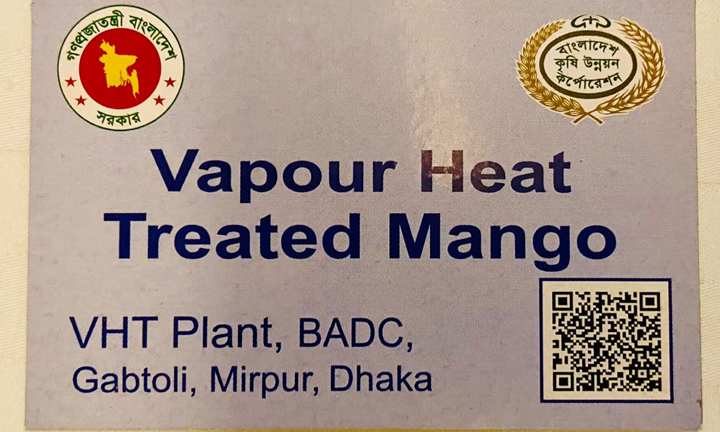
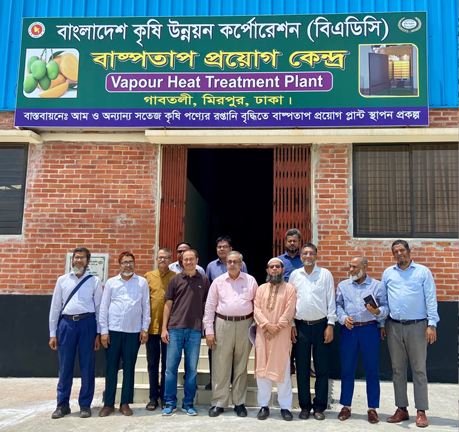
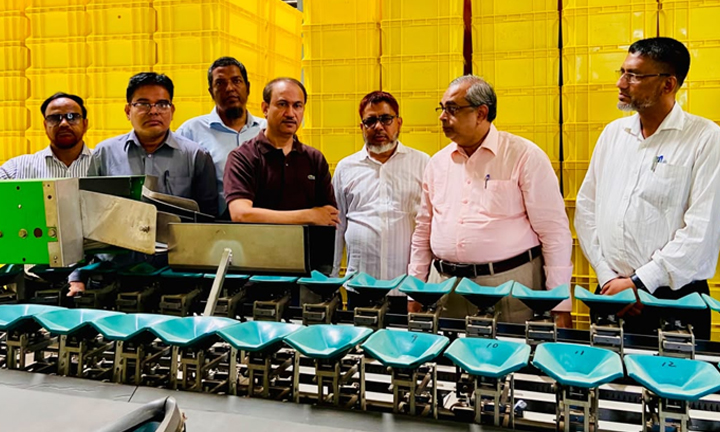
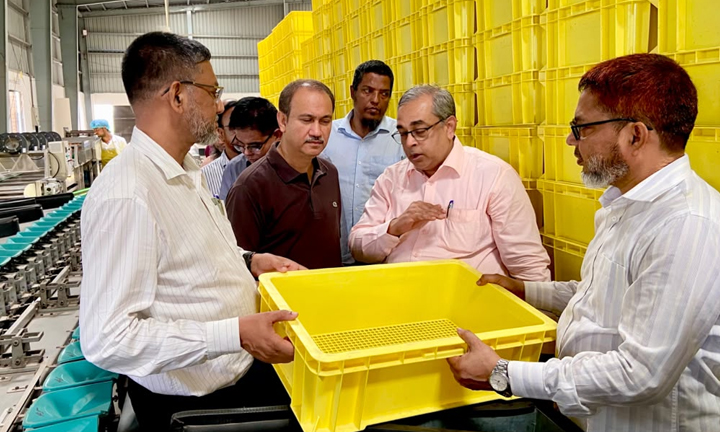
A key highlight of the programme was a tour of Bangladesh’s first Vapour Heat Treatment (VHT) Plant, officially inaugurated by the Minister for Agriculture and Fisheries & Livestock in July 2026. The state-of-the-art facility is designed to eliminate fruit flies and other quarantine pests, enabling Bangladeshi mangoes and other fresh produce to meet the stringent phytosanitary requirements of premium export markets.
The VHT facility represents a major milestone for Bangladesh’s fresh produce industry. Many high-value markets, including Japan, require Vapour Heat Treatment as a mandatory quarantine measure for mango imports. Beyond compliance, the technology also enhances post-harvest quality by extending mango shelf life to 8–10 days after treatment, compared to the normal 5–8 days. Overall storage life can reach 15–20 days under ambient conditions and up to one month under proper cold storage, significantly improving export logistics and reducing post-harvest losses. Similar VHT systems are already widely used in countries such as Thailand, Vietnam, India, and Pakistan.
Bangladesh’s Mango Industry and Export Potential
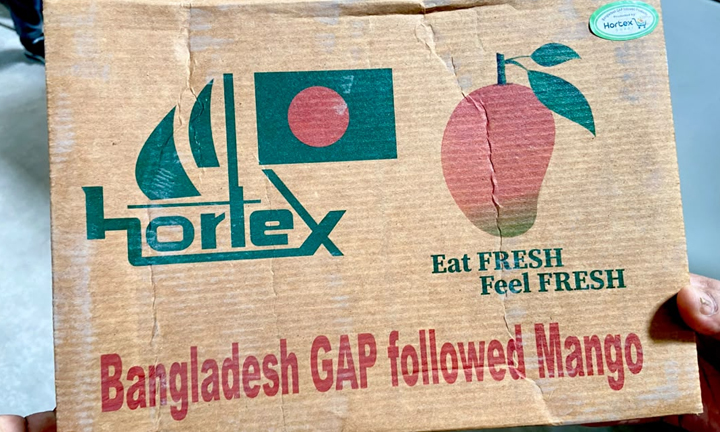
Bangladesh is one of the world’s major mango-producing countries, with an annual production of approximately 2.8 million tonnes, of which around 2.3 million tonnes are consumed domestically. The country currently exports mangoes to 39 countries, reflecting growing international demand for its high-quality fruit.
Key commercial export varieties include Amrapali, Himsagar (Khirsapat), Langra, and Fazli, which are mainly harvested between May and July. In addition, Bangladesh has introduced several promising new varieties such as Banana Mango, BARI Mango-4, Gourmati (Gouramoti), Katimon, and Ashwina, helping to extend the production season beyond the traditional harvest period. Notably, Katimon is available year-round, while BARI Mango-4, Ashwina, and Gourmati provide late-season supply from July onwards.
With production significantly exceeding domestic consumption, Bangladesh is actively pursuing new export opportunities and value-added market access. In addition to mangoes, the country is highly self-sufficient in several tropical fruits, including banana, jackfruit, pineapple, and guava, offering strong potential for future export diversification.

Technical Collaboration and Capacity Building
During discussions, BADC expressed strong interest in collaborating with TFNet on capacity building programmes, particularly in advanced budding and grafting techniques for rambutan and other tropical fruit crops. The Corporation also requested TFNet’s support in strengthening the technical capacity of Bangladeshi fruit exporters through specialised training in post-harvest handling, export standards, market access requirements, and international best practices.
Tour of BADC Research Facilities
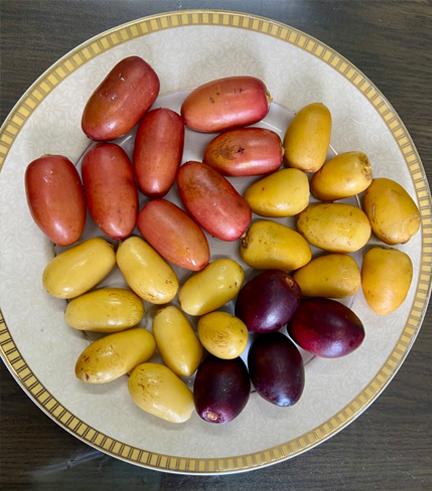
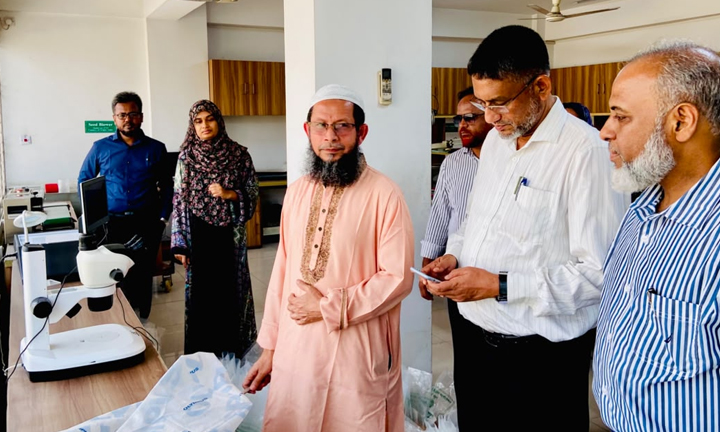
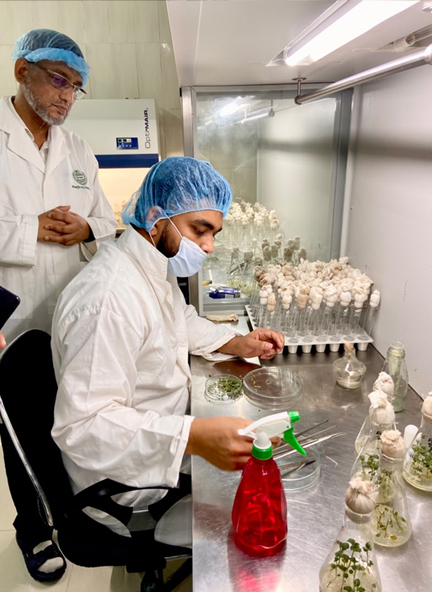
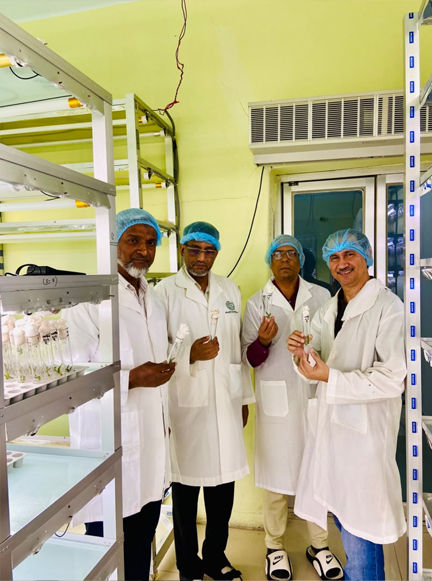
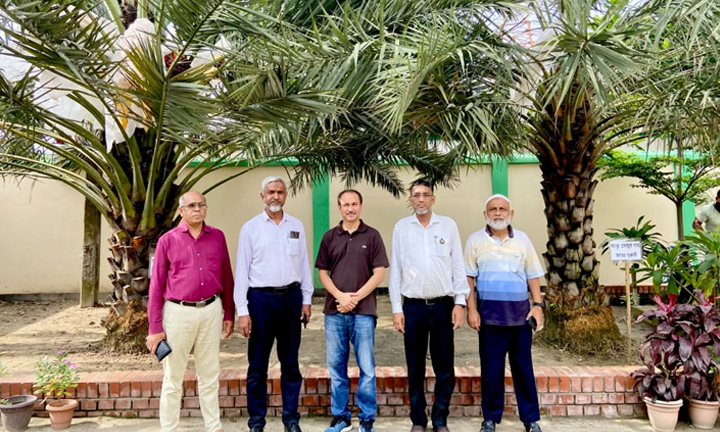
The delegation also visited several of BADC’s research and production facilities, including its seed production units, plant tissue culture laboratories, and an experimental date palm plantation. The plantation comprises around 150 date palm trees, with several already bearing fruit, reflecting Bangladesh’s efforts to diversify its horticultural sector through the introduction and evaluation of new crop species.
Strengthening Future Cooperation
The visit further reinforced the growing partnership between TFNet and Bangladesh. Both sides reaffirmed their shared commitment to enhancing tropical fruit production, advancing post-harvest technologies, building technical capacity, and promoting sustainable international trade in tropical fruits.