The Fiji Institute of Agricultural Science (FIAS) hosted the National Agriculture Research Symposium from 18 to 20 November 2026 at Nalagi Hotel and Resort in Nadi, Fiji.
Held under the theme “Transforming Agriculture through Science, Innovation, and Climate-Resilient Food Systems,” the three-day symposium brought together researchers, policymakers, agricultural practitioners and development partners to exchange knowledge and explore practical responses to emerging challenges in agriculture and food systems.
The programme commenced with welcoming remarks by Dr Shalendra Prasad, President of FIAS and Chief Executive Officer of the Sugar Research Institute of Fiji. In welcoming participants, Dr Prasad highlighted the symposium’s role as a platform for sharing research findings, encouraging scientific collaboration and translating agricultural research into practical benefits for farmers and the wider agricultural sector.
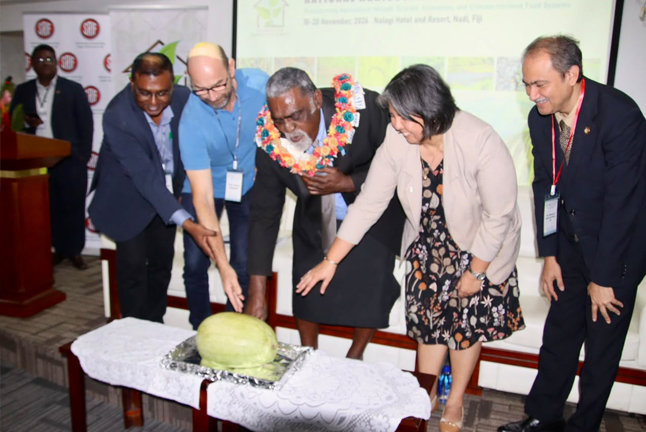
The symposium was officially opened by the Honourable Tomasi Niuvotu Tunabuna, Fiji’s Minister for Agriculture, Waterways and Sugar Industry. In his address, the Minister emphasised the importance of closer collaboration among scientists, farmers, research institutions, policymakers and international partners in building a more productive, sustainable and climate-resilient agricultural sector.
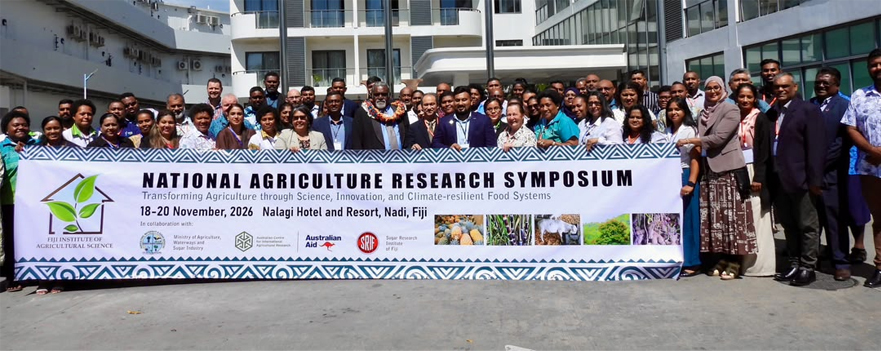
TFNet CEO Muhamed Salim bin Mohd Ali was invited to deliver the keynote paper titled “Fiji’s Trade Agreements and Food and Nutrition Security.” The paper examined Fiji’s regional and international trade agreements and their implications for agricultural production, food availability and nutrition.
It also outlined possible areas for policy review to help Fiji maximise the benefits of its trade agreements while supporting local farmers and strengthening food and nutrition security. Among the recommendations were closer monitoring of agricultural trade by partner country and product, greater attention to the practical requirements faced by local producers, and stronger alignment between trade policy, domestic production and nutrition objectives.
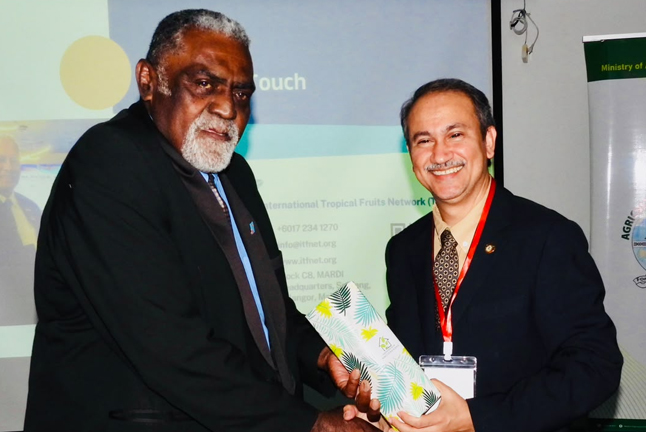
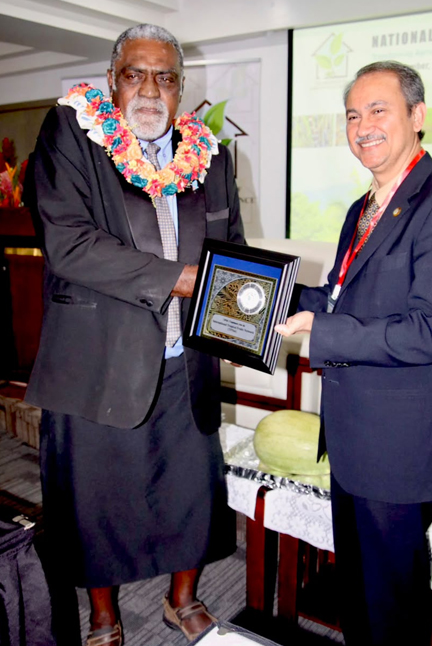
Mr Salim was also presented with a token of appreciation on behalf of the Honourable Minister in recognition of his contribution as a keynote speaker.
The symposium featured 39 oral papers, 19 poster presentations and one panel discussion, covering crop production and horticulture, livestock, agricultural technology, climate resilience and other priorities for Fiji’s agricultural development.
The programme was sponsored by the Australian Centre for International Agricultural Research (ACIAR) and organised by FIAS in collaboration with Fiji’s Ministry of Agriculture, Waterways and Sugar Industry and the Sugar Research Institute of Fiji.