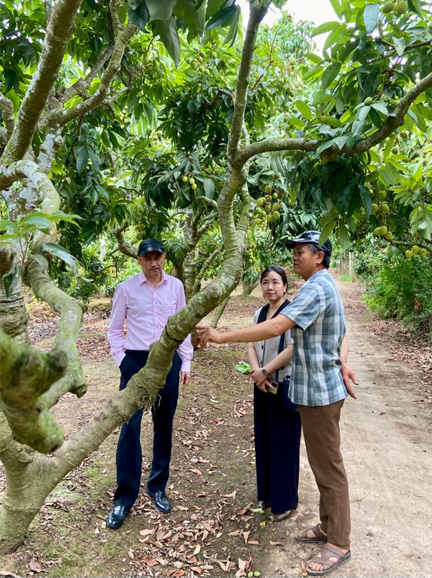
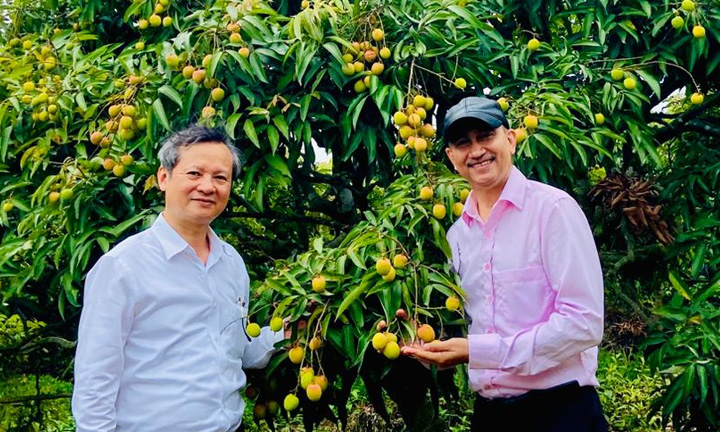
TFNet CEO, Muhamed Salim Mohd Ali, was hosted by Director General of FAVRI, Assoc. Prof. Dr. Nguyen Quoc Hung, along with accompanying officers, on a field visit to Hai Duong Province, widely regarded as the heart of litchi production in Vietnam.
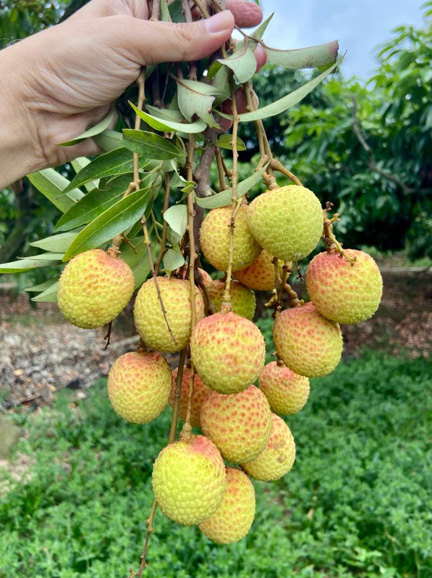
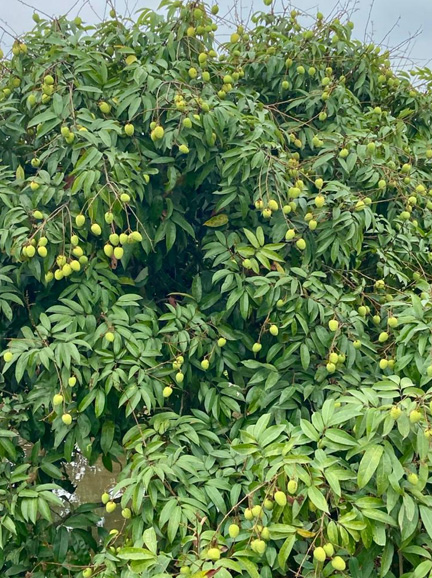
Hai Duong is a key production hub, with approximately 9,000–10,000 hectares dedicated to litchi cultivation, driven largely by well-organized farmer cooperatives. The visit focused on operations managed by Amei Vietnam Cooperative, a farmer-led entity that works closely with export companies to access international markets.
The litchi production plot visited during the mission holds GlobalG.A.P. certification, a critical standard that enables exports to high-value markets such as Japan, Australia, the United States, and the European Union. This certification ensures compliance with stringent food safety, sustainability, and traceability requirements.
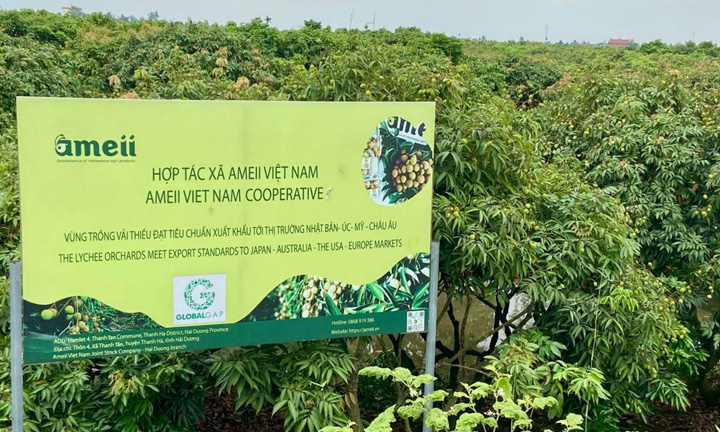
A notable feature of the Vietnamese model is the structured support for certification. As GlobalG.A.P. is a voluntary standard involving significant audit and compliance costs, the government provides financial assistance for the first three years. Thereafter, the responsibility is gradually transferred to the cooperative, often supported through partnerships with exporting companies that co-finance certification and market access.
During the field visit, technical experts and farmers shared practical insights on orchard management, including methods to control tree height for easier harvesting, techniques to improve yield, and integrated approaches to pest and disease management. These practices reflect a strong combination of traditional knowledge and modern agricultural standards.
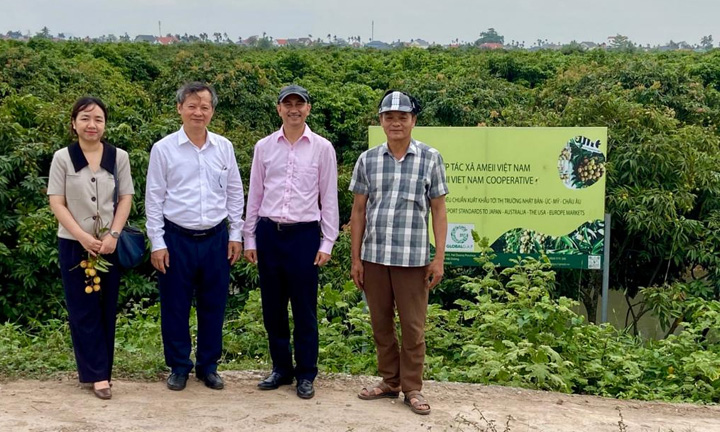
TFNet sees strong potential in replicating and adapting such models across its member countries and aims to facilitate further study visits for stakeholders interested in litchi cultivation and cooperative-based export systems.
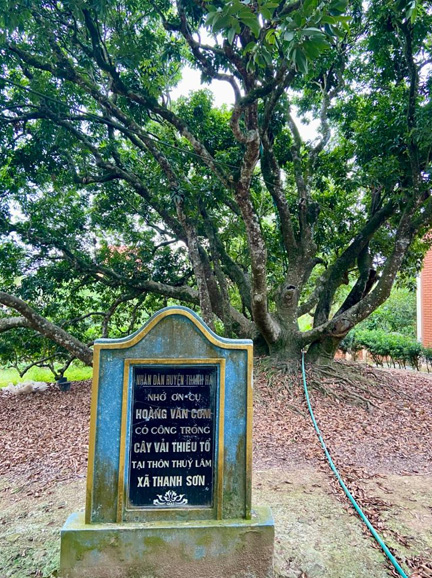
The visit also included a stop at a site of historical significance, the location of what is believed to be the first litchi tree in the area, now designated as a national heritage tree. Estimated to be over 200 years old, the tree is said to have originated from seeds brought back by a local resident who had joined an expedition with French sailors. Upon returning, he planted the seeds within his household compound, laying the foundation for what would become one of Vietnam’s most important fruit industries.