The International Tropical Fruits Network (TFNet) led a study visit to the Philippines from 26 to 30 April 2026, bringing together the Malaysian Pineapple Industry Board (MPIB) and Malaysian industry players with the aim to foster collaboration and knowledge exchange between both countries’ pineapple sectors.
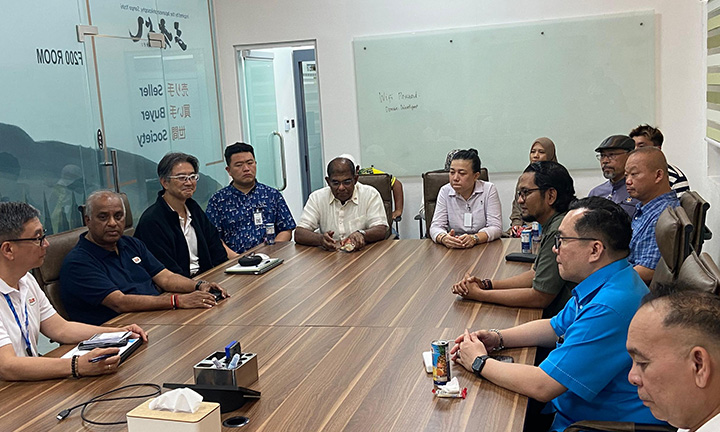
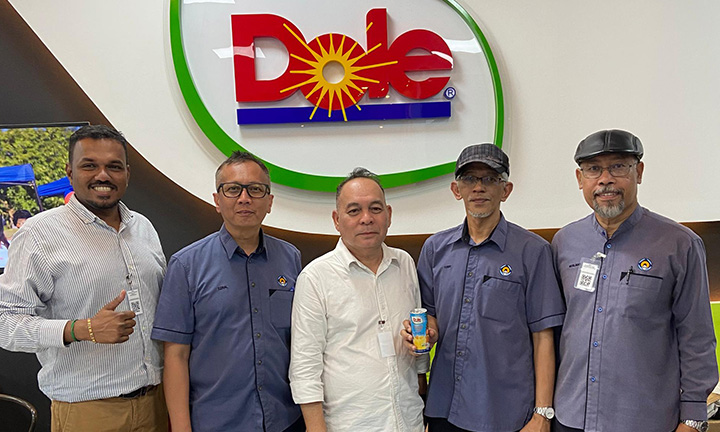
The MPIB delegation was led by Chairman Mr. Sheikh Umar Bagharib and was supported by Malaysian Ambassador to the Philippines H.E. Dato’ Abdul Malik Melvin Castelino and Consul General Mr. Deddy Faisal Ahmad Salleh with Mr. Muhamed Salim Mohd Ali leading TFNet.
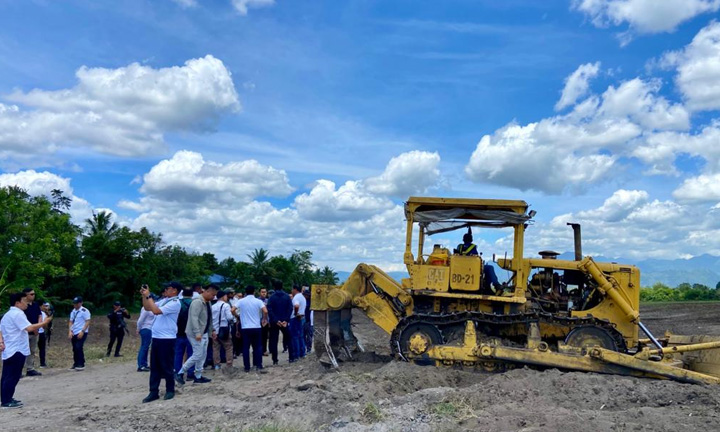
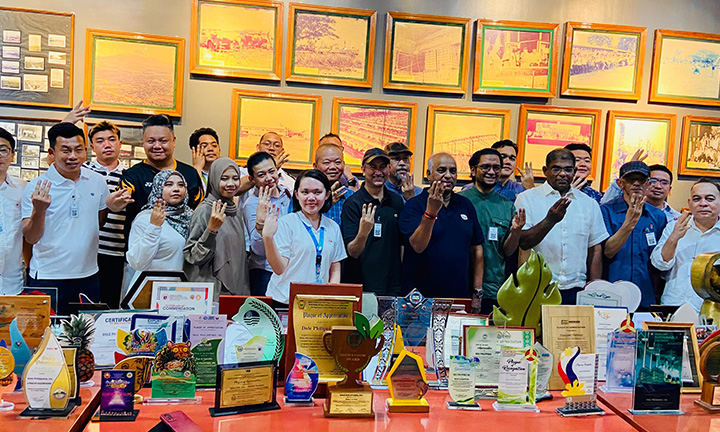
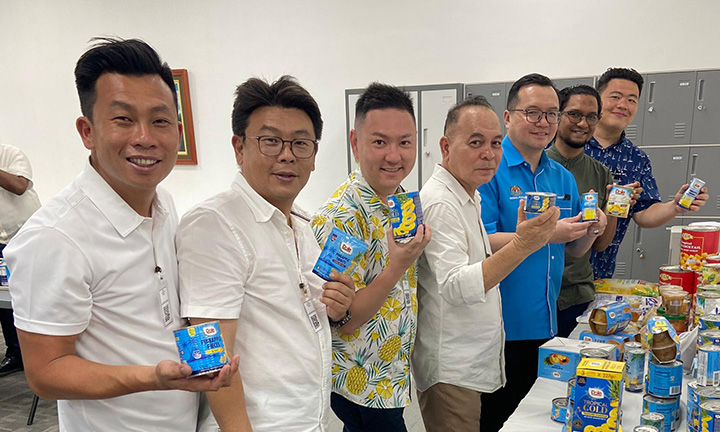
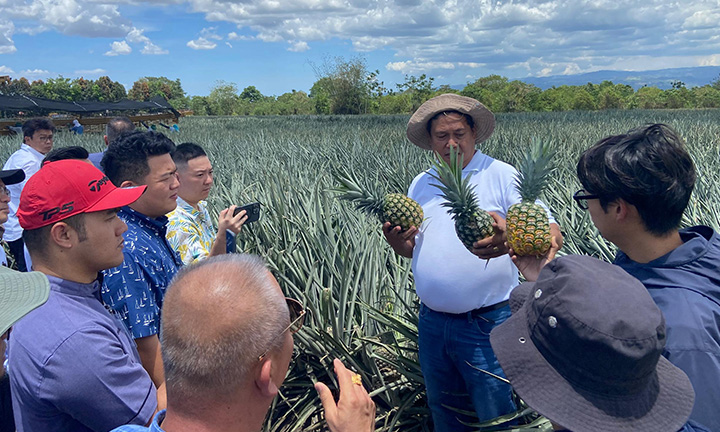
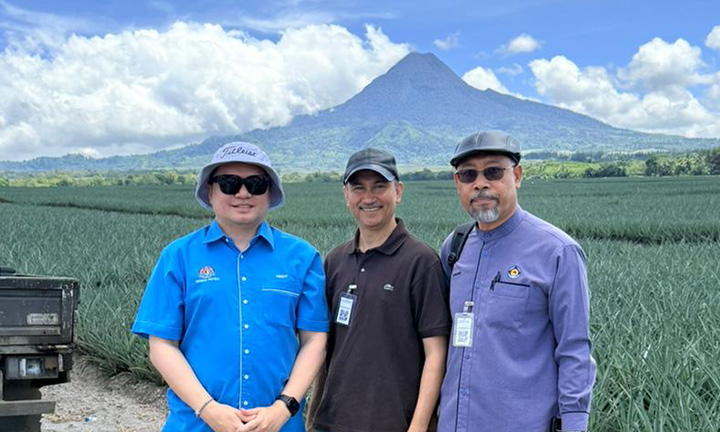
The highlight of the mission was a visit to Dole Philippines, Inc. (Dolefil) located in Polomolok, South Cotabato. The delegation was allowed to visit Dole’s pineapple production areas as well as processing facilities such as the fresh fruit packinghouse and cannery.
Located at the foot of Mt. Matutum, Dolefil’s 16,500 hectare plantation annually produces more than 16 million boxes of fresh pineapples and 30 million cases of processed pineapples. They supply 60% of Japan’s pineapple but also exports to markets around the world.
The delegation was received by Mr. Muniretrenam Muniandy, Agricultural Director and met the Managing Director, Mr. Javier C. Go.
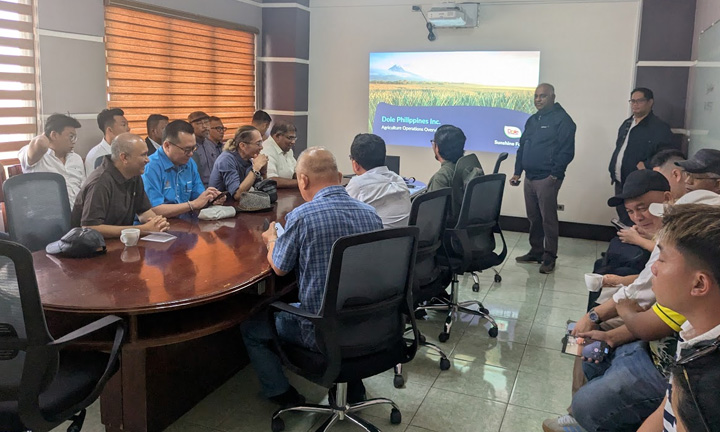
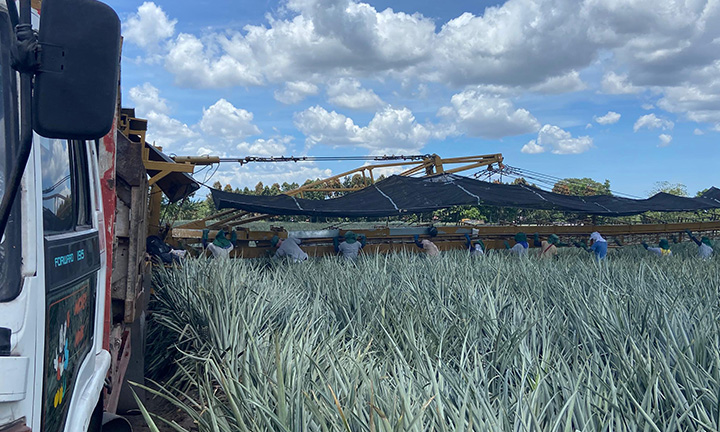
In the morning, the delegates visited Dolefil’s pineapple plantations and were shown the whole process of pineapple cultivation: land preparation, planting material treatment and management, vegetative growth and flowering induction, sun damage control through netting or paper collars, and harvesting. The delegates noted that Dolefil’s planting density is 75,000 plants per hectare, which is larger compared to Malaysia’s planting density of 50,000.
In the afternoon, delegates were invited to visit the processing facilities.
First was the fresh fruit packinghouse. Dolefil grows the MG3/MD2 pineapple variety mainly for fresh fruit export. After being delivered at the packinghouse, the fruits are washed and soaked in chlorinated water to remove bugs and dirt and prevent mold from growing. They are then sorted and graded based on their size and maturity, because different export markets require specific sizes and ripeness. The fruits are then carefully stacked into boxes and are pre-cooled in refrigerated facilities before being loaded into container vans.
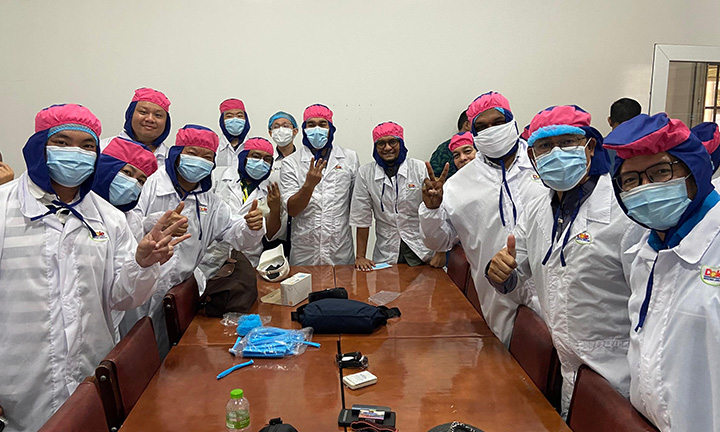
Afterwards, the delegates visited Dolefil’s state of the art cannery, which processes the F200 pineapple variety into products such as juices, concentrates, fruit slices, chunks, tidbits, and crushed. In line with Dolefil’s zero waste policy, MD2 fruits that do not pass export quality requirements are also processed.
Overall, the study visit provided valuable exposure to best practices and strengthened collaboration between Malaysia and the Philippines, reinforcing the role of the International Tropical Fruit Network (TFNet) in driving knowledge exchange and capacity building in the tropical fruits sector. The experience will also be used for future direction of the pineapple industry in Malaysia.
Other sites that the delegation visited were GS Fruits and SunFarms. The study visit wouldn’t have been possible without the support and facilitation of the Bureau of Plant Industry and the Plant Quarantine Office in General Santos.