
SOURCE: Marita Moaje, Philippine News Agency
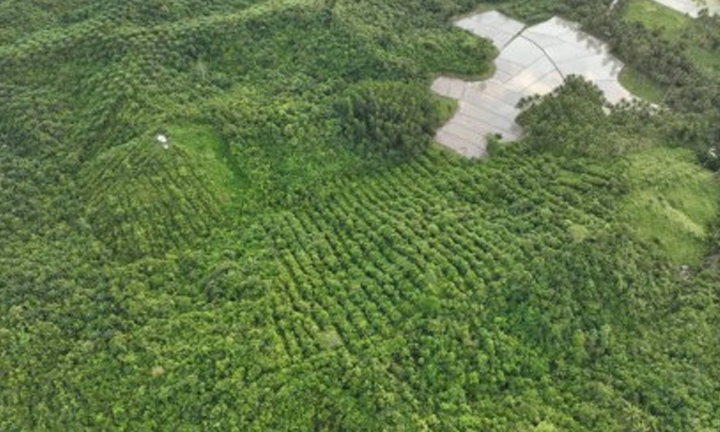
In southern Palawan, degraded upland areas are turning into thriving agro-forestry sites that promote reforestation efforts of the Department of Environment and Natural Resources (DENR) while boosting rural livelihoods for Indigenous Peoples’ (IPs) communities.
The Abuyog Sweet Langka Plantation Project under the DENR’s Enhanced National Greening Program (ENGP) reached an important milestone this year, reporting a 90 percent seedling survival rate in its third year.
“The plantation is a demonstration of how the NGP has transitioned into a more strategic, investment-led phase that is the ENGP, consistent with President Ferdinand R. Marcos Jr.’s key policy directive on focusing on private sector participation, climate resilience, and generation of revenues and job creation using the country’s natural assets,” the DENR said in a news release Friday.
Established in 2024, the 1,300-hectare plantation is now home to 130,000 Abuyog sweet langka seedlings.
Managed by eight People’s Organizations, the project actively involves IP communities in the Municipality of Rizal, particularly in Barangays Panalingan, Taburi and Latud, combining environmental restoration with steady income opportunities.
Reforestation meets enterprise
The DENR said the project demonstrates a strategic shift in its national greening program, toward investment-led reforestation under the ENGP.
Beyond tree planting, it integrates a high-value crop that supports climate resilience, job creation and private sector participation.
The Abuyog sweet langka, a special jackfruit variety from Abuyog, Leyte, and also called the EVIARC sweet jackfruit, is said to be the sweetest jackfruit in the world, based on a rating of 25.15 degrees Brix, the international standard for the sugar content of a solution dissolved in water, in this case, the dissolved sugar content of jackfruit.
This jackfruit variety was developed by the Department of Agriculture Eastern Visayas Agricultural Research Center, in collaboration with Visayas State University and the DA Region 8.
Its firm, naturally sweet and almost crunchy flesh sets it apart from most jackfruits.
“This variety does not only offer great flavor – it also helps reduce soil erosion, supports food security, and provides a healthier alternative to processed sweets because of its natural sweetness,” the DENR said.
“Easy to grow in home gardens and small farms, the Abuyog Sweet Langka shows strong commercial promise, with fruits usually ready for harvest in just three to four years, making it a practical and rewarding choice for Filipino growers,” it added.
From 2024 to 2026, the project has received an estimated PHP44 million, funding nursery operations, plantation care and protection work.
Because of this, IP communities have benefited from stable employment while participating in long-term stewardship that links environmental recovery with livelihood development.
Expansion on the horizon
Encouraged by its sweet success, the DENR has endorsed plans to expand the plantation by an additional 600 hectares in Sofronio Española and Quezon, pending approval.
As the project enters its final phase, the agency said the Abuyog sweet langka Plantation illustrates how reforestation can be more than tree planting — it also restores ecosystems, empower communities and create sustainable rural enterprises simultaneously.