e-Newsletter - Issue No. 1 | July 2009 |
 |
 |
|
|
|

by Dr. Osman - Information Officer, TFNet
Lately we keep hearing about super fruits (sometimes spelled “superfruits“) and a lot of people currently believe that there are some fruits that are miraculous and can cure certain ailments in man when they are consumed either fresh or juice . This is why we have to talk about what a super fruit actually is. The term “super fruit” actually refers to a simple marketing term, which first appeared in 2005. Marketing campaigns were talking about fruits (fresh or processed) that have special nutritional value and rich antioxidant content. The term was used in order to drive people into buying the fruits (fresh or processed) that were promoted by a particular manufacturer or marketer. What is strange is the fact that very good fruits, with great nutritional value, are not labeled as super fruits although they are more entitled to be regarded as superfruits due to benefits brought to our body. These include guava, watermelon (inclusive other melons), mangoesteen, mangoes, banana, starfruit, noni, blackberries, kiwi fruit, oranges and strawberries to name just a few. Let’s compare the nutrition facts of some of these tropical fruits which should be considered as super-fruits (see table below).
Food |
energy |
water |
fiber |
fat |
protein |
sugar |
vit.A |
vit.C |
vit.B1 |
vit.B2 |
vit.B6 |
vit.E |
ORAC Value |
kJ/Kcal |
% |
g |
g |
g |
g |
ug |
mg |
mg |
mg |
mg |
mg |
||
Avocado |
523/126 |
81 |
0.2 |
10 |
2.0 |
7.0 |
20 |
17 |
0.06 |
0.12 |
0.36 |
3.2 |
1983 |
Banana |
375/88 |
76 |
2.7 |
0 |
1.2 |
20.4 |
3 |
10 |
0.04 |
0.03 |
0.36 |
0.3 |
879 |
Date |
1275/300 |
20 |
7.5 |
0 |
2.0 |
73.0 |
0 |
0 |
0.05 |
0.10 |
0.10 |
0.7 |
3895 |
Fig |
340/80 |
80 |
2.0 |
0 |
1.0 |
19.0 |
10 |
3 |
0.06 |
0.05 |
0.11 |
- |
3383 |
Guava |
306/72 |
81 |
5.3 |
0 |
1.0 |
17.0 |
30 |
218 |
0.04 |
0.04 |
0.14 |
- |
2550 |
Mango |
255/60 |
84 |
1.0 |
0 |
0.0 |
15.0 |
210 |
53 |
0.05 |
0.06 |
0.13 |
1.0 |
1002 |
Mandarin Orange |
177/42 |
88 |
1.9 |
0 |
0.9 |
9.5 |
12 |
30 |
0.08 |
0.03 |
0.084 |
0.4 |
726 |
Papaya |
136/32 |
91 |
0.6 |
0 |
0.0 |
8.0 |
40 |
46 |
0.03 |
0.04 |
0.04 |
- |
4900 |
Pineapple |
211/50 |
84 |
1.2 |
0 |
0.4 |
12.0 |
20 |
25 |
0.07 |
0.02 |
0.09 |
0.1 |
884 |
Pomegranate |
343/81 |
82 |
3.4 |
0 |
1.0 |
17.0 |
10 |
7 |
0.05 |
0.02 |
0.31 |
- |
2341 |
Source: http://www.thefruit pages.com/contents.shtml & http://oracvalues.com/sort/orac-value/
ORAC Value = Oxygen Radical Absorbance Capacity value
Boosting your daily fruit and vegetable intakes could help protect you from heart disease, say scientists. Scientists from Cambridge University found that a boost in vitamin C intake has been shown to cut the risk of death from heart disease. Professor Kay-Tee Khaw studied 19,496 people aged between 45 and 79, from Norfolk and found that those with the highest vitamin C intakes had the lowest heart death rates. He found that with just a 50 gramme increase in fruit or vegetables it was possible to cut the death rate by 20%, regardless of the person's age, blood pressure or whether they smoked.
His findings suggest that an increase in dietary intake of foods rich in ascorbic acid might have benefits for cardiovascular disease and all-cause mortality in men and women and add to the large amount of evidence that lends support to the health benefits of fruit and vegetables. A spokeswoman for the British Heart Foundation said the study confirmed the benefits of fruit and vegetables. She said: "This study contributes to a large body of research suggesting that vitamin C is cardio-protective”. Vitamin C, or ascorbic acid, is commonly used to boost the immune system to ward off colds and the flu, and is an antioxidant that destroys harmful substances in the body, called free radicals, that can cause cancer and preventing cholesterol from 'oxidizing' - the process that leads to the furring up of the arteries that causes CHD." |
 |
Fresh tropical and sub-tropical fruits such as oranges, grapefruit and bananas and green vegetables are good sources of vitamin C. What we all have to understand is the fact that a super fruit is nothing but a marketing lingo which equates to a marketing strategy. The fact that, we are actually talking about dietary supplements, energy drinks and similar products that contain nutrients taken from fruits that are labeled super fruits.
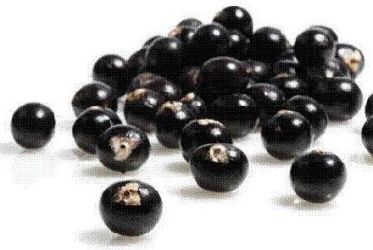
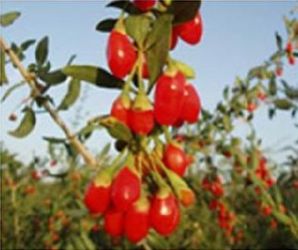
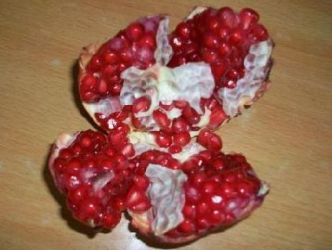
Most of these products are either similar to others that are cheaper or are simply not that good looking or pleasant to taste. Let us think about fruits that are marketed as super fruits around the world. One very popular super fruit is acai in Brazil and Venezuela. We can not neglect guava, mangoesteen, papaya, banana, blueberries, cranberries and goji berries (also known as wolfberry). Incidentally guavas, bananas, papaya and mangoesteen are considered super fruits in different areas of the world. We should also mention coconut, guarana, dragon fruit, mango, noni, pomegranate and sea-buckthorn as popular superfruits since they are highly nutritious, superb and unique in taste! For that matter, why not durian, rambutan and many other tropical fruits also be considered as superfruits since many of them have high ORAC value and very nutritious too?
 |
 |
||
| Acai berry | Goji fruit | ||
 |
 |
||
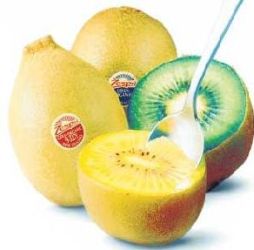
| Kiwi fruit | Pomegranate |
References: BBC News. Fighting heart disease with fruit. Friday, 2 March, 2001, 00:17 GMT
TFNet - Linking People, Technology & Market |
page THREE |